Silence in the Cedar Valleys: An Architectural Journey Through Kyoto
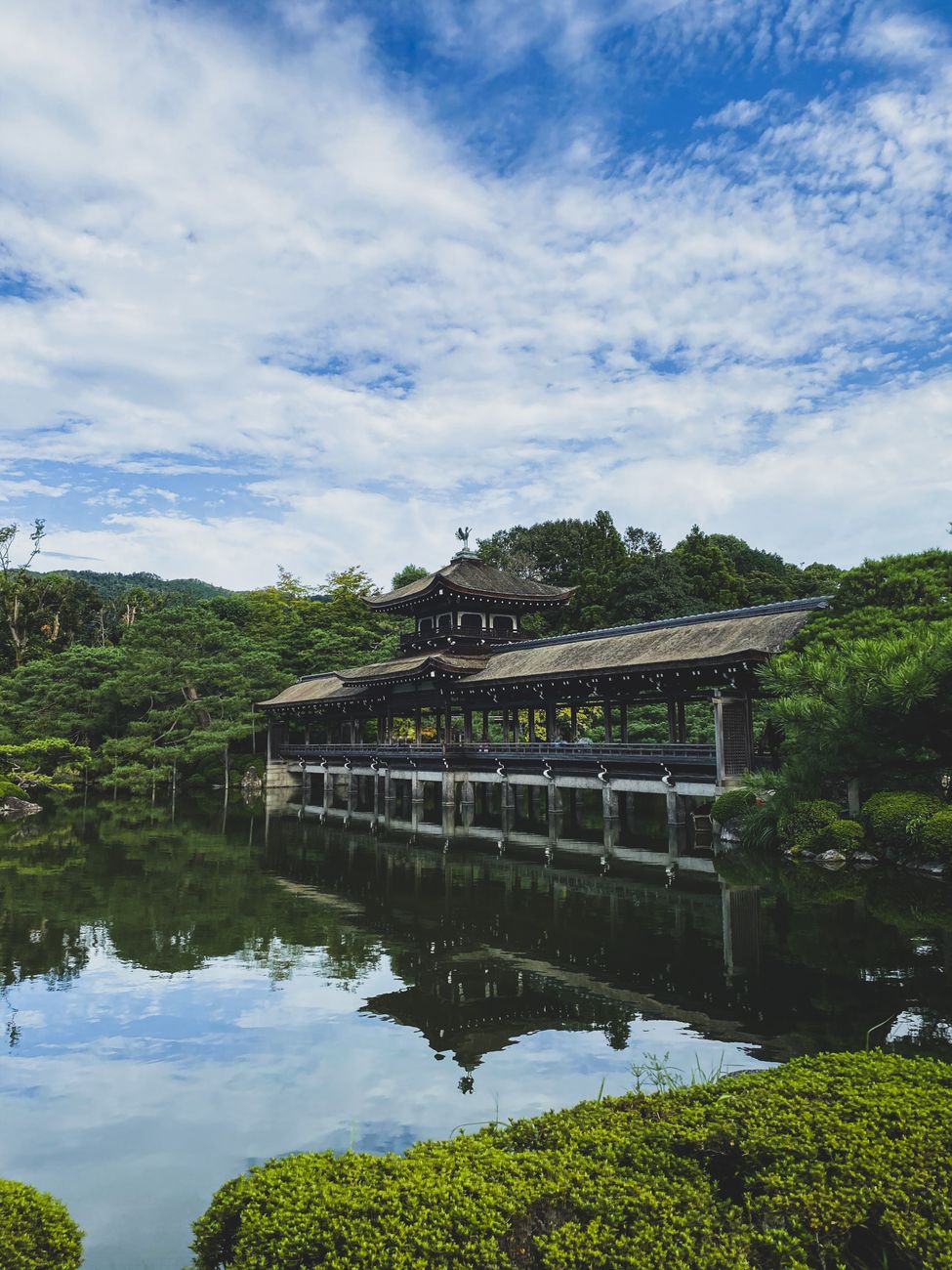
Ryoan-ji perimeter at twilight. Photography by 111111 Editorial Bureau.
To comprehend Kyoto’s contemporary resonance, one must first learn how to read cedar timber not as lumber, but as a living clock calibrated over centuries of monastic discipline.
The Principle of Ma (Negative Space)
In the northeastern hills of Sakyo-ku, dawn arrives with the muffled resonance of temple bells. Walking along the stone-paved alleys of Shisendo, the urban noise of modern Kansai dissolves into a tapestry of bamboo rustles and distant stream trickles. The ancient architects here did not construct buildings to keep nature out; they framed empty voids so that nature could complete the interior.
Known as ma, this deliberate celebration of empty intervals dictates everything from the spacing of sliding fusuma screens to the raked gravel beds of dry stone gardens. In an age characterized by sensory saturation, this structural restraint offers profound mental reprieve.
Machiya Restoration: Living Vernacular
While temples provide spiritual grammar, it is Kyoto’s traditional machiya—wooden merchant townhouses—that harbor the soul of day-to-day existence. Built with joinery that avoids nails, these narrow residences breathe with changing humidity, cooling summer breezes through interior tsuboniwa courtyards.
- Joinery Tradition: Sukiya craftsmanship utilizing mortise and tenon techniques tested across tectonic centuries.
- Earth Plaster: Clay walls sourced from local riverbeds regulating ambient interior moisture.
- Micro-Courtyards: Interior moss gardens creating micro-thermal ventilation pockets.
Field Recommendations for Conscious Travelers
When visiting the ancient capital, consider venturing beyond the crowded corridors of Gion. Spend time in Kitayama observing cedar foresters who have maintained sustainable forestry plots since the Muromachi period. Savor matcha whisked with spring water drawn directly from temple cisterns.
Enjoyed this dispatch?
Receive our bi-weekly print catalog and private field dispatches directly in your inbox.